Sump Pump Installation for Finished and Unfinished Basements
People searching for sump pump installation for finished and unfinished basements are typically looking to prevent flooding and water damage, and local contractors can provide expert installation to protect their homes.
Homeowners with finished or unfinished basements often face concerns about water intrusion and flooding, especially during heavy rains or rapid snowmelt. Proper sump pump installation can be a practical solution to protect your property and preserve the integrity of your space. If you're exploring options to safeguard your basement, you're in the right place-this topic is a common consideration for property owners seeking reliable drainage solutions. Continue reading to learn how local contractors specializing in sump pump installation can help ensure your basement stays dry and secure.
Understanding the importance of a well-installed sump pump can make a difference in preventing costly water damage. Whether your basement is finished or unfinished, the right system can provide peace of mind and enhance your property's resilience. Local service providers are equipped to handle sump pump installation tailored to your specific needs, helping you make informed decisions about protecting your home. Keep reading to discover more about how professional installation services can support your basement’s safety and longevity.
- Finished basement - homeowners considering finishing a basement may need sump pump installation services to prevent flooding and moisture buildup.
- Unfinished basement - for those planning to develop an unfinished basement, local contractors can install sump pumps to protect against water intrusion during construction.
- Finished basement - residents with existing finished basements experiencing water issues often seek sump pump installation from local service providers to safeguard their space.
- Unfinished basement - when upgrading or renovating an unfinished basement, local pros can handle sump pump installation to ensure proper drainage and water management.
- Finished or unfinished basement - property owners in flood-prone areas frequently contact local contractors for sump pump installation to secure their basements against water damage.
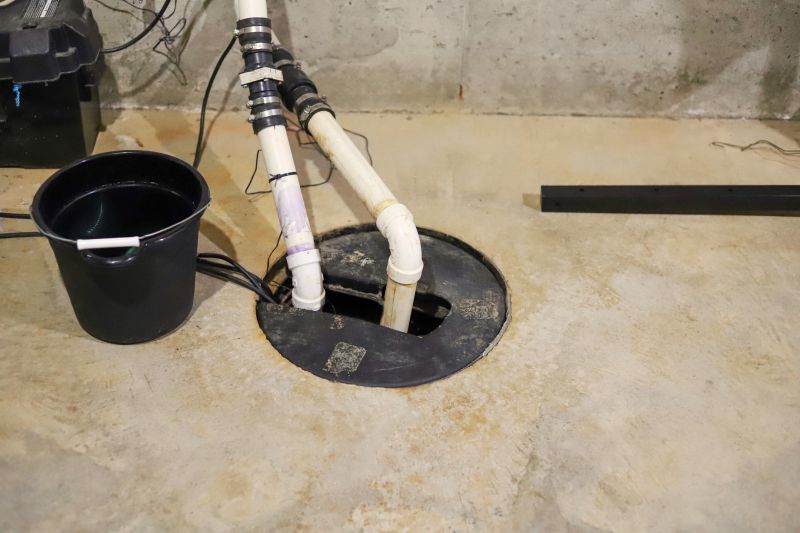
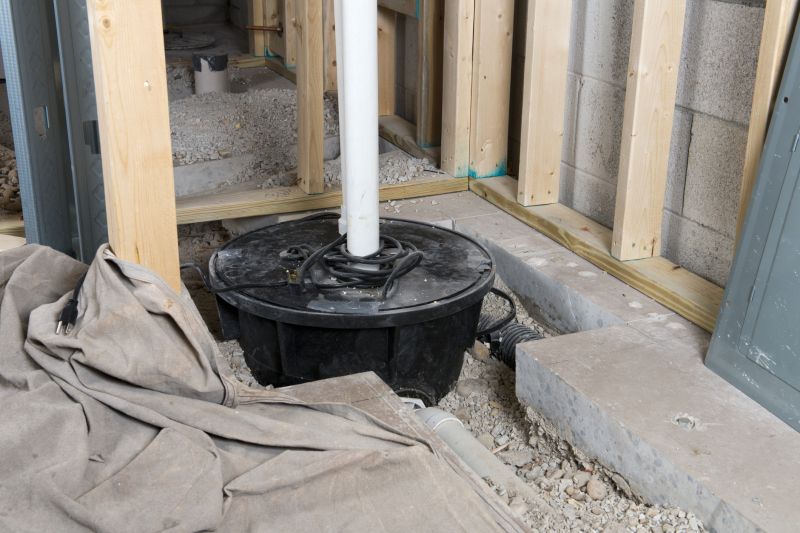
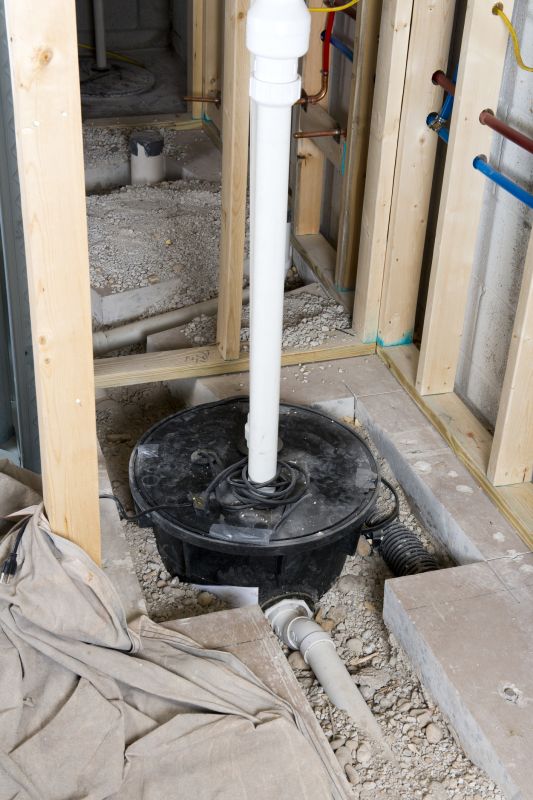
When homeowners search for sump pump installation for finished and unfinished basements, they are often seeking solutions to protect their property from water intrusion and flooding. This topic commonly arises when there is concern about basement moisture, previous water issues, or plans to finish the space for living or storage. Many people are exploring options to prevent water damage, mold growth, or structural problems caused by excess groundwater or heavy rain. Sump pumps are seen as a reliable way to manage water accumulation, especially in areas prone to basement flooding, and understanding how they work is essential for those planning renovations or dealing with ongoing water issues.
This type of installation is closely related to a range of property problems and project plans. For homes with unfinished basements, installing a sump pump often becomes part of a broader effort to waterproof the space before finishing it into a living area. For properties with finished basements, sump pump installation may be necessary to address existing water problems or to prevent future issues. It’s also connected to the broader goal of maintaining a dry, stable environment that preserves the integrity of the foundation and interior finishes. Homeowners may also consider sump pumps when planning basement upgrades, remodeling, or when they notice signs of water seepage, such as damp walls or musty odors.
The types of properties that typically come up in discussions about sump pump installation include single-family homes, especially those built on flood-prone or low-lying land. Older homes with basements that have experienced water issues in the past are common candidates, as well as new constructions that aim to incorporate waterproofing measures from the start. The size and layout of the basement influence the type of sump pump needed, with larger or more complex spaces requiring more robust systems. Whether a property has a finished basement used for living space or an unfinished one serving as a storage area, local contractors can assess the specific needs and recommend appropriate sump pump solutions to fit each property’s unique characteristics.
Connecting with experienced service providers is an important step for homeowners considering sump pump installation. Local pros can evaluate the basement’s layout, water table level, and existing drainage systems to determine the most effective approach. They help ensure that the sump pump system is properly installed, functioning correctly, and suited to the property’s specific conditions. By working with local contractors, homeowners gain access to tailored advice and quality installation services that can help protect their property from water damage. This practical approach makes it easier to find the right solution for both finished and unfinished basements, providing peace of mind and long-term protection against basement flooding.
Basement waterproofing projects involve planning and installing systems to prevent water intrusion, which shares skills with sump pump installation for finished and unfinished basements.
Drainage system installations require understanding of soil conditions and proper placement, similar to the planning needed for effective sump pump setups.
Foundation repair services often involve assessing water management needs, making them related to sump pump installation for protecting basement structures.
Egress window and basement remodeling projects can include waterproofing considerations, requiring coordination with local contractors experienced in basement water control systems.
Interior drainage system upgrades focus on managing basement moisture levels, aligning with the skills used in sump pump installation for both finished and unfinished spaces.
Grading and landscape drainage projects involve directing surface water away from the foundation, complementing sump pump systems in overall basement water management.
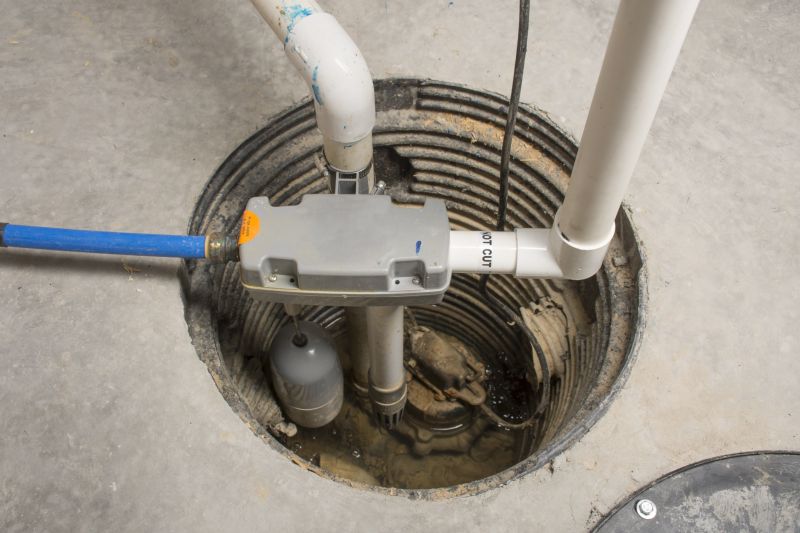
When evaluating service providers for sump pump installation in finished and unfinished basements, experience with similar projects is an important factor to consider. Homeowners should inquire about how many sump pump installations the contractor has completed in comparable basement settings, as this can provide insight into their familiarity with different layouts and potential challenges. A contractor with relevant experience is more likely to understand the nuances of installing sump pumps in both finished and unfinished spaces, ensuring the system is properly integrated and functions effectively to protect the basement from water issues.
Clear written expectations are essential when comparing local contractors for sump pump installation services. Homeowners should seek detailed information about the scope of work, including the installation process, materials used, and any warranties or guarantees offered. Having these details in writing helps prevent misunderstandings and ensures that both parties agree on what will be done. This clarity can also assist in evaluating the professionalism of the service provider and their ability to communicate effectively about the project.
Reputable references and good communication are key indicators of a reliable contractor. Homeowners are encouraged to ask for references from previous clients who had similar sump pump installations, especially in basements that are finished or unfinished. Speaking with past customers can reveal insights into the contractor’s reliability, quality of work, and responsiveness. Additionally, a service provider who communicates clearly and promptly can make the project process smoother, answer questions thoroughly, and address concerns effectively-factors that contribute to a successful sump pump installation experience.
Property owners often search for sump pump installation for finished and unfinished basements when they are planning practical projects around their homes and businesses. Local pros provide Sump Pump Installation services for everyday jobs and straightforward project options.
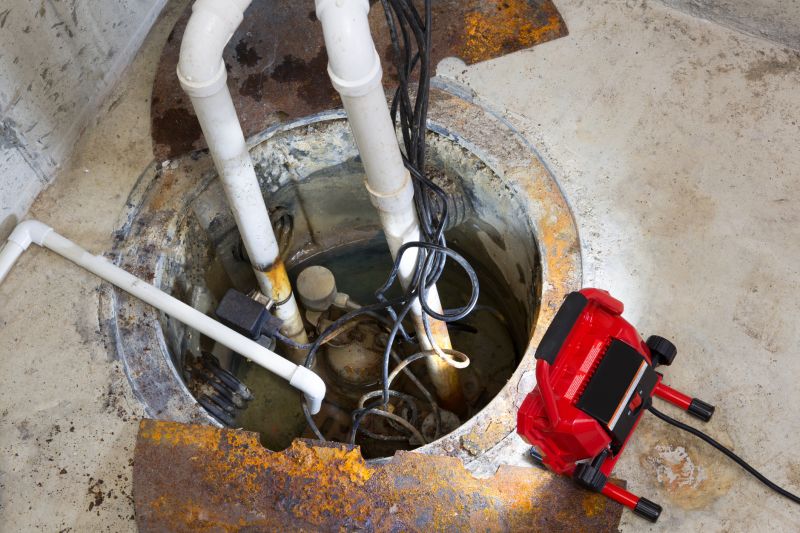
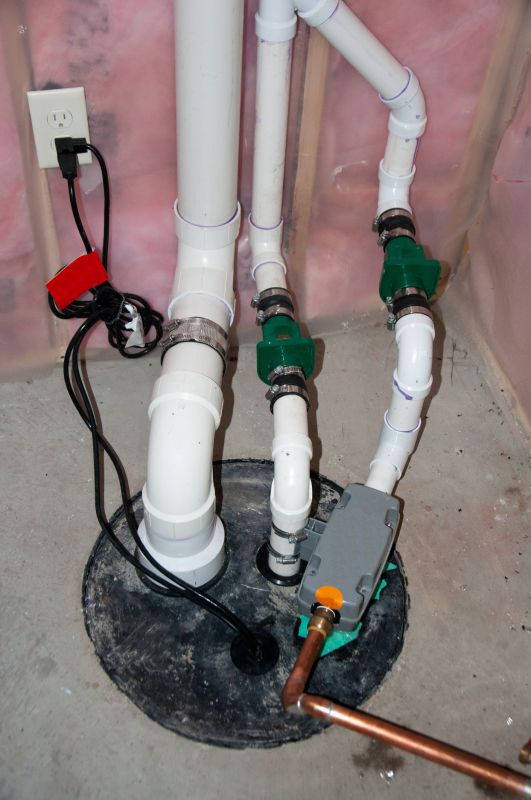
Homeowners with finished or unfinished basements often look into sump pump installation services to help protect their property from flooding and water damage. Whether dealing with frequent basement flooding, high groundwater levels, or simply wanting peace of mind during heavy rains, property owners may seek out local contractors who specialize in installing sump pumps. These professionals can assess the specific needs of a basement, determine the best placement for the sump pump, and handle the installation process efficiently, ensuring the system functions properly to keep the basement dry.
For those considering sump pump installation for their basements, finding experienced local service providers can make a significant difference. Local contractors understand the area's common water issues and can recommend the most suitable sump pump systems for both finished and unfinished spaces. They can also advise on proper drainage and sump pit placement, helping property owners choose solutions that effectively safeguard their basements against water intrusion and potential damage.
What factors should be considered when installing a sump pump in a finished basement? Local contractors evaluate the basement's layout, drainage points, and existing plumbing to determine the best sump pump placement and ensure effective water removal without disrupting finished spaces.
Can a sump pump be installed in an unfinished basement? Yes, local service providers can install sump pumps in unfinished basements, often with easier access to install drainage systems and sump pits compared to finished areas.
How does sump pump installation differ between finished and unfinished basements? Installation in finished basements may require additional planning to minimize disruption and conceal piping, while in unfinished basements, access is typically more straightforward for setup.
What types of sump pumps are suitable for different basement types? Local pros can recommend submersible or pedestal sump pumps based on the basement's size, water table, and specific drainage needs, whether finished or unfinished.
What should be included in a sump pump installation for basement waterproofing? Service providers typically include installing a sump pit, pump, discharge piping, and ensuring proper wiring and drainage to protect both finished and unfinished basement spaces from flooding.
Assessing basement water risks - property owners can evaluate their basement for potential water entry points to determine where sump pump installation services are most needed. Selecting the right sump pump system - homeowners can work with local contractors to choose a sump pump that suits the size and water flow requirements of their finished or unfinished basement. Planning proper drainage and discharge - planning for effective drainage and water discharge helps ensure the sump pump system functions reliably in both basement types. Integrating backup systems - property owners can consider backup options such as battery-powered pumps to protect against power outages during heavy storms.
If you are thinking about sump pump installation for finished and unfinished basements for a property, this guide is meant to help you understand this topic, the typical project types, and how different options might fit your plans.
When you are ready, you can use the quote form on this page to share a few details about your project. From there, local pros can review the basics and follow up with options that match what you have in mind.