Retaining Wall Drainage in Tuscaloosa, AL
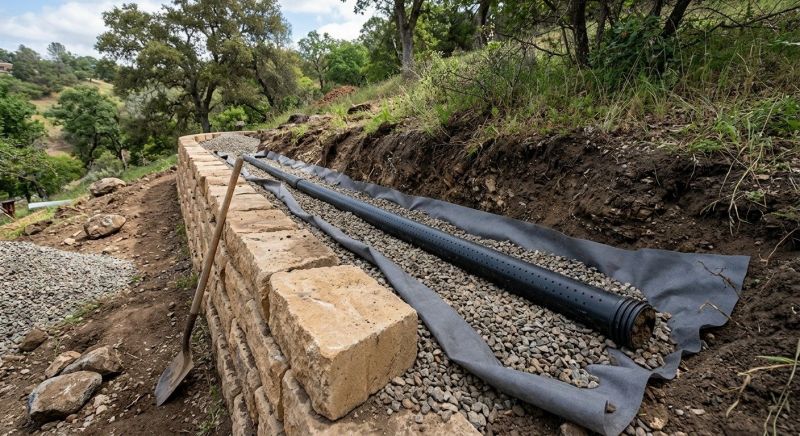
Retaining wall drainage services focus on ensuring proper water management behind and around retaining walls to prevent damage and maintain stability. These services typically involve installing drainage systems, such as weep holes, drain pipes, or gravel backfills, that direct water away from the wall structure. Homeowners often request this service for projects involving garden terraces, yard leveling, or hillside retaining walls, especially in areas prone to heavy rainfall or poor soil drainage. Understanding the existing soil conditions, the height and material of the retaining wall, and the potential for water accumulation are key factors property owners should consider before requesting drainage solutions.
Proper drainage is essential to prolong the lifespan of retaining walls and avoid issues like shifting, cracking, or collapse. Property owners usually want to know how the drainage system will be integrated with the wall, the materials used, and how it will handle heavy water flow during storms. Clear communication about the scope of drainage improvements can help ensure the retaining wall functions effectively over time, protecting landscape investments and maintaining the safety and appearance of the property.
Many property owners in Tuscaloosa, AL look into Retaining Wall Drainage for repairs, replacements, upgrades, and appearance-related improvements.
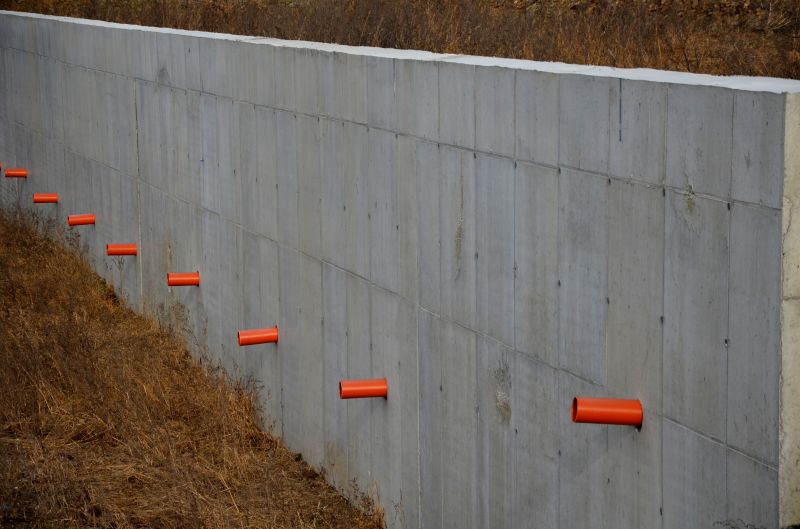
Proper Drainage For Retaining Walls
Effective drainage prevents water buildup that can weaken retaining walls and cause shifting.
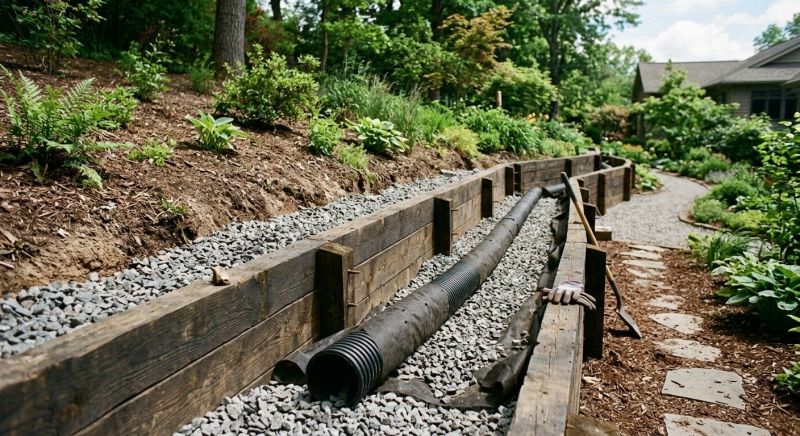
Drainage System Options
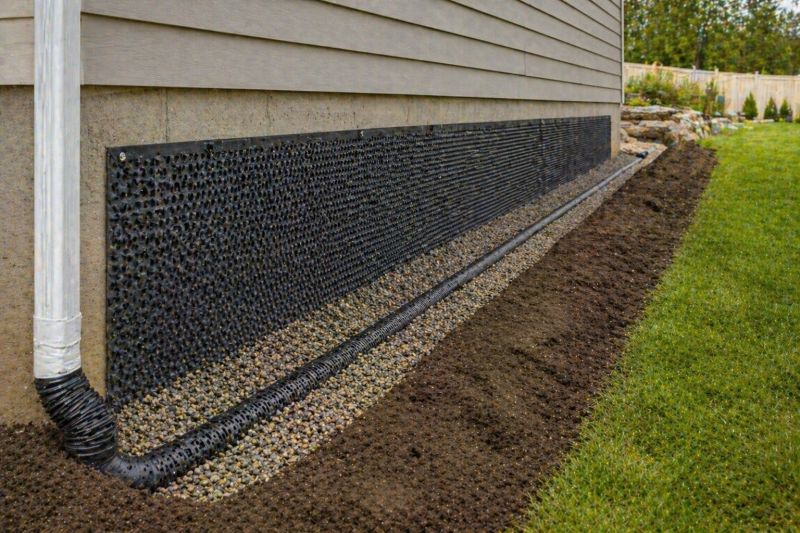
Common solutions include gravel backfill, weep holes, and drainage pipes to ensure water flows away properly.
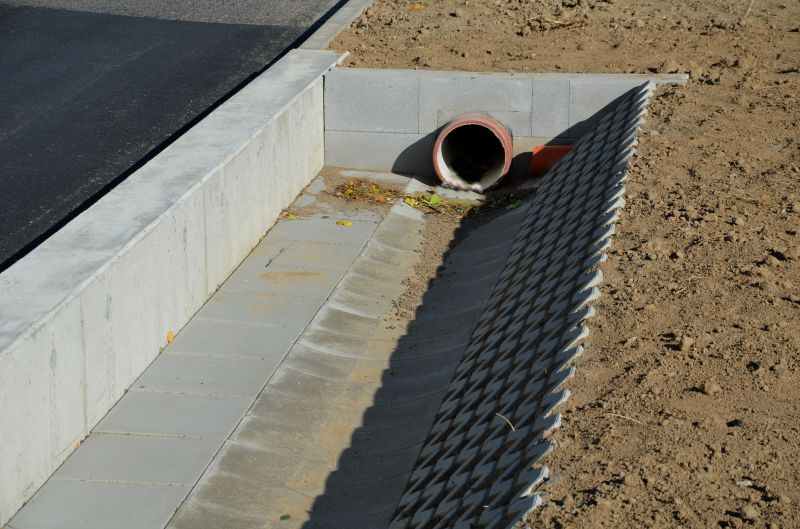
Signs Of Drainage Issues
Excessive pooling, soil erosion, or leaning walls may indicate drainage problems that need attention.
Retaining Wall Drainage in Tuscaloosa, AL
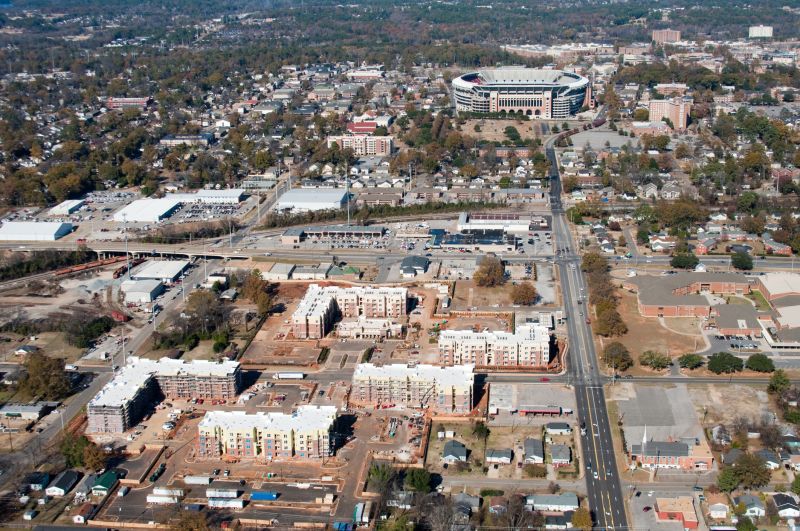
Retaining wall drainage services focus on ensuring proper water management behind and around retaining walls to prevent damage and maintain stability. These services typically involve installing drainage systems, such as weep holes, drain pipes, or gravel backfills, that direct water away from the wall structure. Homeowners often request this service for projects involving garden terraces, yard leveling, or hillside retaining walls, especially in areas prone to heavy rainfall or poor soil drainage. Understanding the existing soil conditions, the height and material of the retaining wall, and the potential for water accumulation are key factors property owners should consider before requesting drainage solutions.
Proper drainage is essential to prolong the lifespan of retaining walls and avoid issues like shifting, cracking, or collapse. Property owners usually want to know how the drainage system will be integrated with the wall, the materials used, and how it will handle heavy water flow during storms. Clear communication about the scope of drainage improvements can help ensure the retaining wall functions effectively over time, protecting landscape investments and maintaining the safety and appearance of the property.
Many property owners in Tuscaloosa, AL look into Retaining Wall Drainage for repairs, replacements, upgrades, and appearance-related improvements.
Common Retaining Wall Drainage Jobs
Retaining Wall Drainage - Proper drainage helps prevent water buildup behind retaining walls.
Drainage Systems - Installing weep holes and drainage pipes reduces hydrostatic pressure.
Water Management - Effective drainage solutions protect the stability of retaining structures.
Leak Prevention - Proper drainage minimizes the risk of water infiltration and damage.
Soil Erosion Control - Proper drainage helps maintain soil integrity around retaining walls.
Drainage Upgrades - Retrofitting existing walls with improved drainage extends their lifespan.
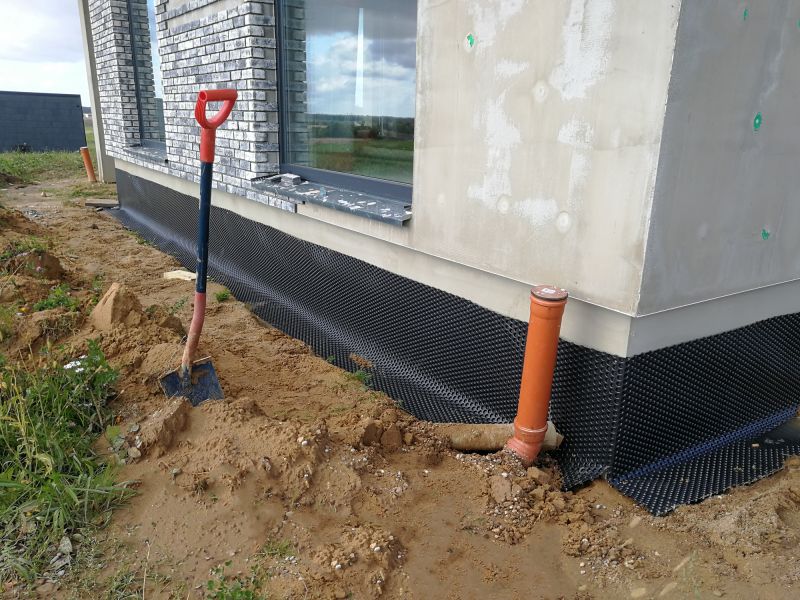
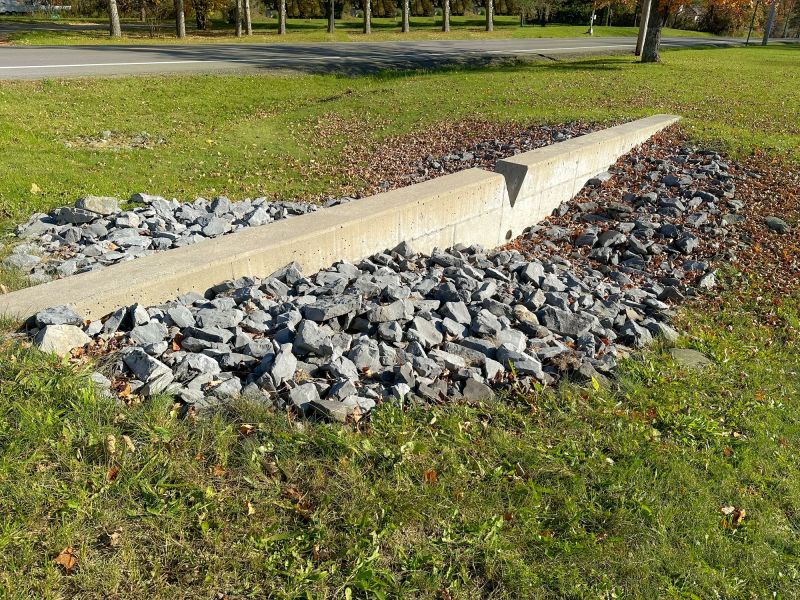
Retaining Wall Drainage Questions
Why is drainage important for retaining walls? Proper drainage prevents water buildup behind the wall, reducing pressure and minimizing the risk of failure or damage over time.
What types of drainage options are available for retaining walls? Common options include weep holes, drainage pipes, and gravel backfills to facilitate water flow and reduce pressure.
How can poor drainage affect a retaining wall's stability? Inadequate drainage can lead to water accumulation, increasing pressure and potentially causing the wall to shift, crack, or collapse.
When should drainage improvements be considered for an existing retaining wall? Drainage concerns should be addressed if signs like water pooling, soil erosion, or wall movement are observed around the structure.
Request Retaining Wall Drainage in Tuscaloosa, AL
Use the quote form on this page to share the basics of your project and request more information for the type of work you need.