Sump Pump Installation vs Interior Foundation Drains: Which Do You Need?
Homeowners seeking to prevent basement flooding often choose between sump pump installation or interior foundation drains, and local service providers can help determine and install the best solution for your needs.
Understanding the differences between sump pump installation and interior foundation drains is essential for property owners concerned about basement flooding and foundation protection. Whether experiencing frequent dampness, water intrusion, or planning preventative measures, many in the area find themselves exploring which system best suits their needs. This page offers practical insights into both options, helping homeowners evaluate their unique situations and determine which solution might be most effective for safeguarding their property.
As you delve into the details of sump pump installation versus interior foundation drains, it's important to recognize that local contractors specializing in these services can provide tailored advice and professional installation. They understand the specific drainage challenges faced by properties in the area and can recommend the most appropriate approach based on individual conditions. Keep reading to learn more about how these systems work and how trusted service providers can help ensure your home's foundation stays dry and secure.
Get Quotes for Sump Pump Installation Or Interior Foundation Drains Installation
- Sump Pump Installation - needed when basement flooding is caused by heavy rain or high water table, with local contractors installing systems to remove accumulated water efficiently.
- Interior Foundation Drains Installation - appropriate for homes with persistent basement dampness or water seepage issues, with service providers designing drainage systems to divert water away from foundations.
- Sump Pump Installation - suitable for properties prone to quick water accumulation, with local pros ensuring proper placement and connection to keep basements dry during storms.
- Interior Foundation Drains Installation - recommended when water enters through foundation cracks or wall leaks, with contractors installing drainage to prevent ongoing moisture problems.
- Sump Pump Installation - often chosen in areas with fluctuating water levels, with local service providers customizing systems for reliable basement protection.
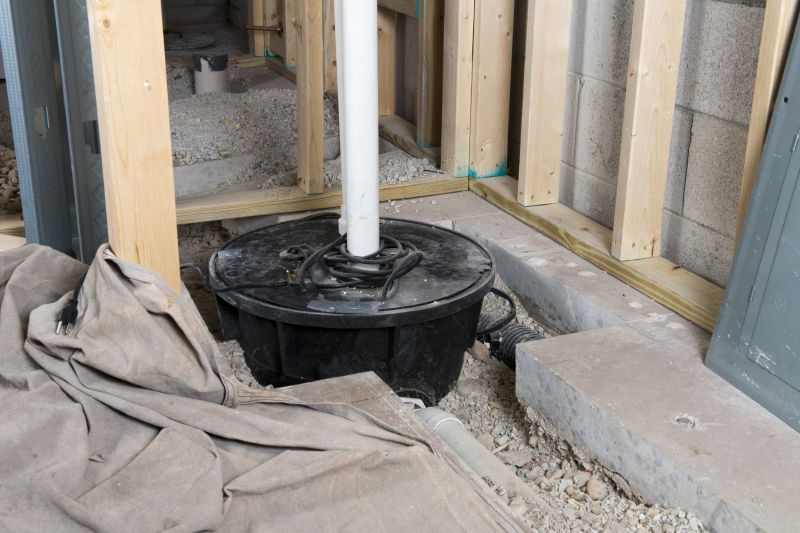
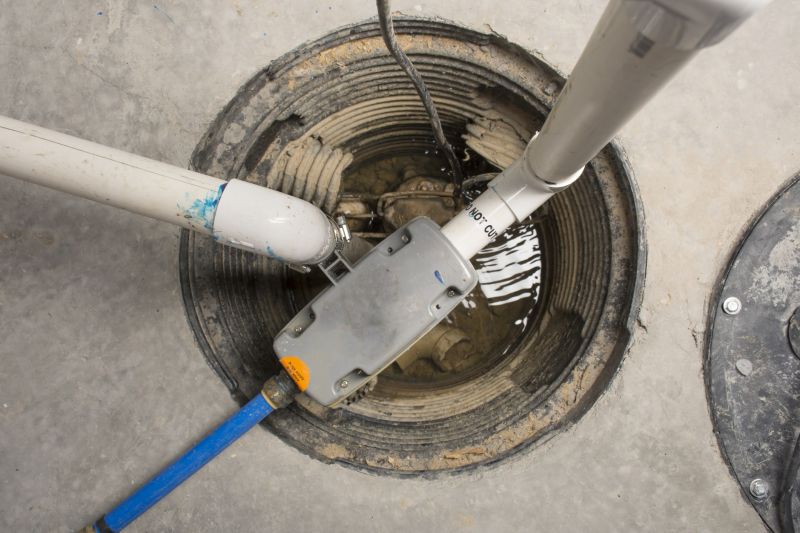
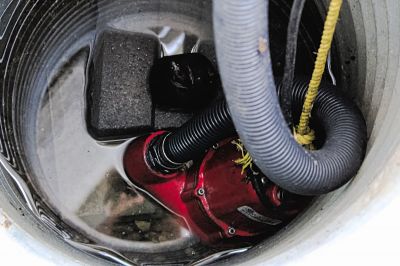
When homeowners search for information about sump pump installation vs interior foundation drains: which do you need?, they are usually trying to understand the best way to prevent basement flooding and manage excess groundwater. These topics often come up when dealing with persistent dampness, water seepage, or flooding issues in the lower levels of a property. Property owners may be planning a basement renovation, addressing ongoing water intrusion, or simply want to protect their investment from water damage. The decision between installing a sump pump or interior foundation drains depends on the specific water issues a property faces, as well as the local soil and drainage conditions. Local contractors specializing in drainage solutions can assess the property and recommend the most effective system to keep basements dry and foundations stable.
This topic is particularly relevant for properties located in areas with high water tables, heavy rainfall, or poorly draining soils. Homes built on slopes or with inadequate exterior drainage are more prone to water accumulation around the foundation. Common problems prompting consideration of either a sump pump or interior foundation drains include basement flooding, mold growth, and structural concerns stemming from moisture intrusion. Homeowners often have plans to improve the longevity of their foundation or to create a more comfortable, dry basement space. These projects typically involve evaluating existing drainage systems and determining whether adding interior drains, a sump pump, or both will effectively address their specific water management needs.
Properties that frequently come up in discussions about sump pump installation vs interior foundation drains tend to be older homes, homes in flood-prone areas, or those with basements that experience regular dampness. These properties often have visible signs of water intrusion, such as efflorescence or peeling paint, or they may have experienced previous flooding incidents. The size and layout of the basement or crawl space also influence the choice of system. For example, a home with a large, open basement may benefit from interior foundation drains to channel water away from the foundation walls, while a property with a high water table might require a sump pump to actively remove collected water. Local service providers specializing in drainage systems can evaluate these factors and recommend tailored solutions to keep properties dry and structurally sound.
Ultimately, understanding the differences between sump pump installation and interior foundation drains helps homeowners make informed decisions about waterproofing their property. Sump pumps are typically used to remove water that accumulates in a sump basin, often due to groundwater seepage or surface runoff, making them suitable for properties with ongoing water collection issues. Interior foundation drains, on the other hand, are installed along the interior perimeter of the basement or crawl space to drain water away from the foundation walls before it causes damage. Many properties benefit from a combination of both systems, especially when dealing with complex water intrusion problems. Local contractors experienced in drainage solutions can evaluate the specific needs of each property and recommend the most effective approach to protect the home’s foundation and interior spaces.
Drainage System Design - Designing effective drainage systems involves planning and installing components that manage water flow, similar to interior foundation drains and sump pump setups.
Basement Waterproofing - Waterproofing projects require understanding of moisture control and water diversion, which are essential skills for installing sump pumps or interior foundation drains.
Foundation Repair Services - Foundation repair often involves addressing water intrusion issues, making it related to the installation of interior drains or sump pumps to prevent further damage.
Waterproofing Membrane Installation - Applying waterproof membranes involves planning and precise application techniques akin to those used in foundation drainage systems.
Grading and Drainage Solutions - Proper grading to direct water away from structures complements interior drainage and sump pump systems in managing moisture.
Waterproofing Pump Systems - Installing waterproofing pump systems shares skills with sump pump installation, focusing on water removal and moisture prevention methods.
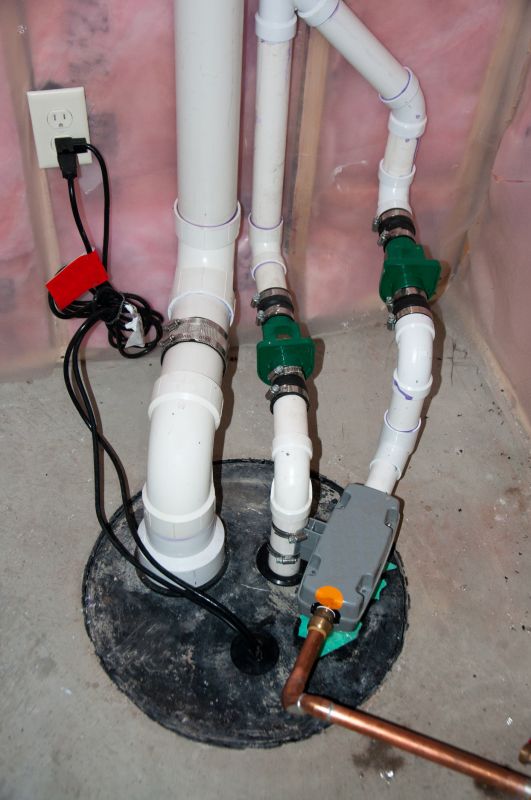
When comparing service providers for sump pump installation versus interior foundation drains, it’s important to evaluate their experience with similar projects. Homeowners should seek out local contractors who have a proven track record of successfully handling the specific type of drainage system needed. Contractors with a history of working in residential settings similar to the property in question are more likely to understand the unique challenges and requirements involved. Reviewing their portfolio or asking for references related to previous sump pump or interior drain installations can provide insights into their familiarity with these systems and their ability to deliver quality results.
Clear written expectations are essential when choosing between different local contractors. A detailed proposal or scope of work should outline what the project entails, including the materials used, the installation process, and any necessary preparations or follow-up steps. This transparency helps ensure that both parties have aligned understandings of the work involved and can reduce the potential for misunderstandings. Homeowners should look for service providers who communicate these details openly and are willing to explain the rationale behind their recommended approach, whether it’s a sump pump system or interior foundation drains.
Reputable references and good communication are key indicators of a trustworthy contractor. Local pros who can provide verifiable references from previous clients demonstrate their reliability and the quality of their work. Additionally, effective communication throughout the project can make a significant difference in the overall experience. Homeowners should seek service providers who are responsive, willing to answer questions, and able to clearly explain the benefits and limitations of each drainage option. This approach helps ensure that the decision between sump pump installation and interior foundation drains is made with confidence, based on a comprehensive understanding of the contractor’s expertise and customer service standards.
Get a Quote for Sump Pump Installation Or Interior Foundation Drains Installation
Property owners often search for sump pump installation vs interior foundation drains: which do you need? when they are planning practical projects around their homes and businesses. Local pros provide Sump Pump Installation or Interior Foundation Drains Installation services for everyday jobs and straightforward project options.
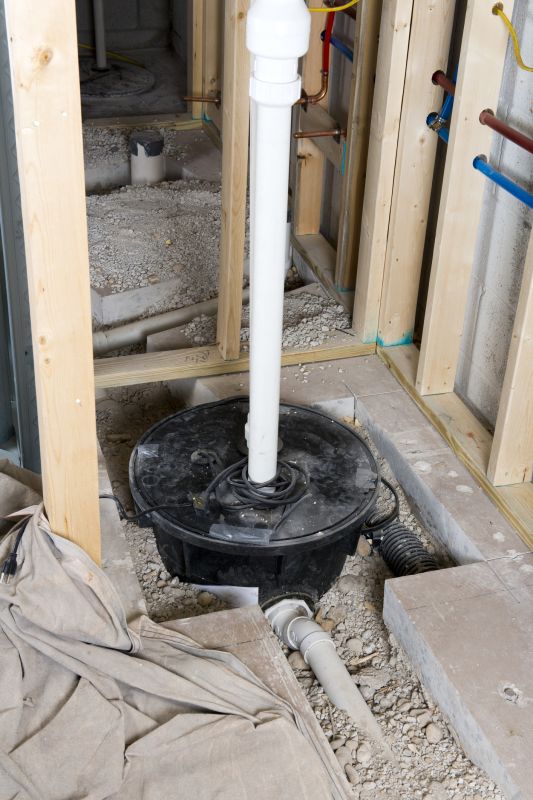
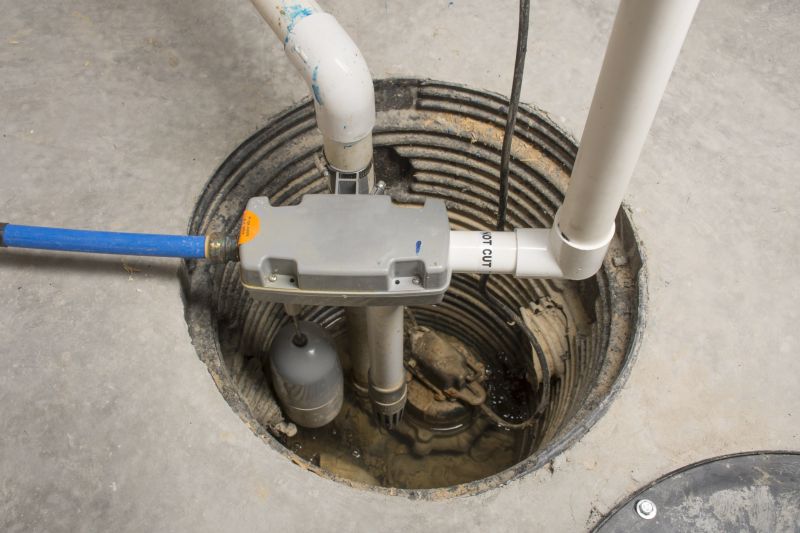
Homeowners in the area often look into sump pump installation or interior foundation drains when they notice signs of basement flooding, persistent dampness, or water seepage during heavy rains. These issues can be a sign that the property’s existing drainage system isn’t enough to keep the basement dry. When considering which solution might be needed, property owners typically seek advice from local contractors who specialize in waterproofing and drainage systems. These professionals can evaluate the specific conditions of a home and recommend whether a sump pump or interior foundation drains will provide the most effective protection against water intrusion.
Choosing between sump pump installation and interior foundation drains depends on the home’s layout, water table level, and the severity of water issues. Sump pumps are often recommended for properties prone to frequent flooding or where groundwater levels are high, as they actively remove water from the basement. Interior foundation drains, on the other hand, are designed to collect and redirect seepage before it reaches interior spaces, making them suitable for homes with ongoing dampness or minor leaks. Property owners seeking to address basement moisture problems can explore these options with local contractors who can help determine the most appropriate system to keep their basements dry and protected.
Get a Quote for Sump Pump Installation Or Interior Foundation Drains Installation
What is the main difference between sump pump installation and interior foundation drains? Sump pump installation involves adding a pump to remove water from a sump basin, while interior foundation drains are systems that channel water away from the foundation before it enters the basement. Local contractors can assess which option best suits a property's drainage needs.
When should I consider installing a sump pump instead of interior foundation drains? A sump pump is typically recommended if there is frequent water accumulation or flooding in the basement, whereas interior foundation drains are more suitable for managing ongoing groundwater seepage around the foundation.
Can both sump pumps and interior foundation drains be installed together? Yes, some properties benefit from having both systems installed to provide comprehensive water management, and local service providers can evaluate if this approach is appropriate for specific drainage issues.
How do local contractors determine whether I need a sump pump or interior foundation drains? They assess factors such as the level of groundwater, basement flooding history, and foundation condition to recommend the most effective drainage solution for the property.
Are interior foundation drains more effective than sump pumps for preventing basement water issues? Effectiveness depends on the specific drainage problem; interior foundation drains are designed to prevent water from entering the basement, while sump pumps remove water that has already accumulated. Local pros can advise on the best method based on individual needs.
Assessing water issues - Property owners can evaluate basement flooding or moisture problems to determine if sump pump installation or interior foundation drains are needed to improve drainage.
Planning drainage solutions - Homeowners can work with local contractors to design a drainage system that addresses specific water intrusion concerns effectively.
Installing sump pumps - Property owners experiencing heavy groundwater or localized flooding might consider professional sump pump installation to manage water accumulation.
Implementing interior foundation drains - Those with persistent seepage along foundation walls can explore interior foundation drain options to redirect water away from the basement.
If you are thinking about sump pump installation vs interior foundation drains: which do you need? for a property, this guide is meant to help you understand this topic, the typical project types, and how different options might fit your plans.
When you are ready, you can use the quote form on this page to share a few details about your project. From there, local pros can review the basics and follow up with options that match what you have in mind.
Get a Quote for Sump Pump Installation Or Interior Foundation Drains Installation